
Native Plant Care for Belton and KC Yards
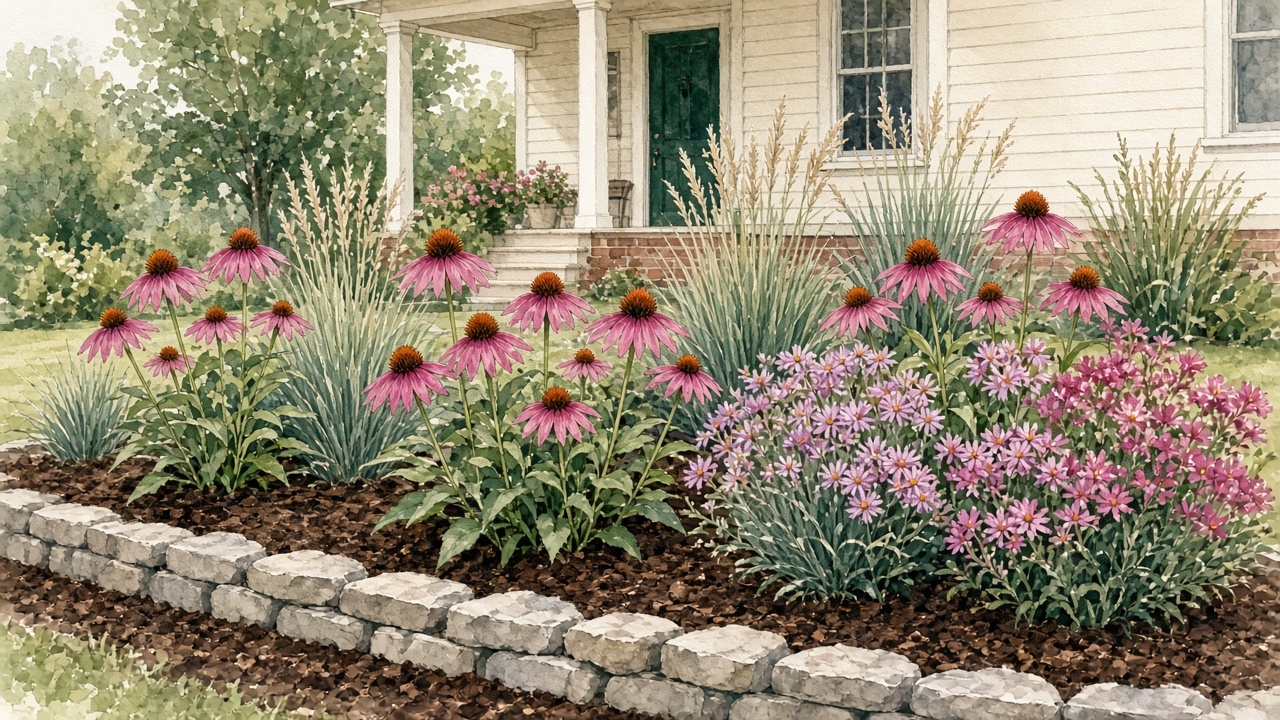
Missouri native plants are about the easiest way to get a bed that looks good without a lot of babysitting. They already handle our hot summers, cold snaps, and clay soil. Here's what we've seen work around Belton and the Kansas City area, and how to take care of them through the year.
Natives that do well here
Sunny beds (6+ hours of sun)
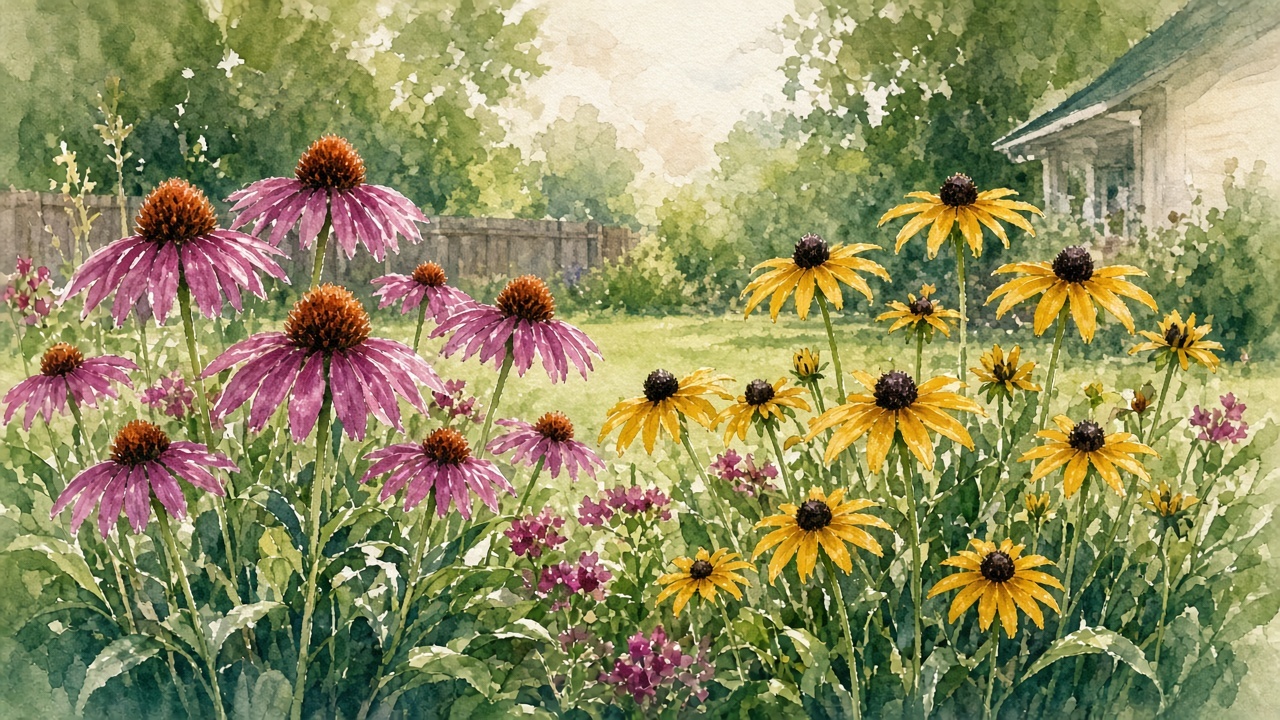
- Purple coneflower: 2 to 4 feet, blooms all summer, shrugs off drought and clay. Goldfinches love the seed heads.
- Black-eyed Susan: 2 to 3 feet, bright gold from July into September. Great for filling gaps.
- Butterfly milkweed: 1 to 2 feet, orange blooms, and food for monarch caterpillars.
- Aromatic aster: 1 to 3 feet, purple flowers in late fall when almost nothing else is blooming.
- Little bluestem: a 2 to 3 foot grass that turns copper-red in fall and looks good all winter.
- Switchgrass: 3 to 5 feet, good for the back of a bed or as a soft screen.
- Missouri evening primrose: under a foot tall, with big yellow blooms for dry edges.
Part shade (3 to 6 hours)
- Prairie dropseed: neat 2 foot mounds that make a clean front edge.
- Wild bergamot (bee balm): lavender blooms the bees go nuts for. Give it some airflow.
- Golden alexanders: yellow spring blooms for shadier spots.
Shade (under 3 hours)
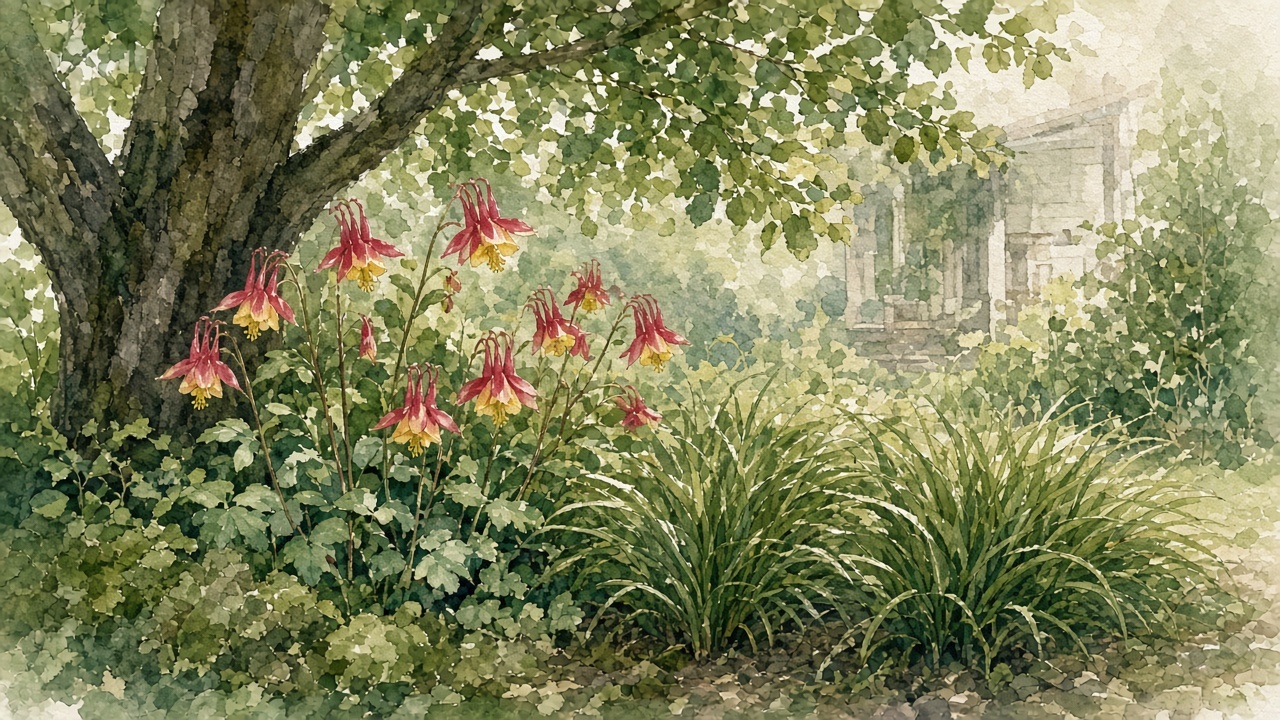
- Wild columbine: red and yellow spring flowers that hummingbirds visit.
- Pennsylvania sedge: a low, soft groundcover for spots under trees.
Care through the year
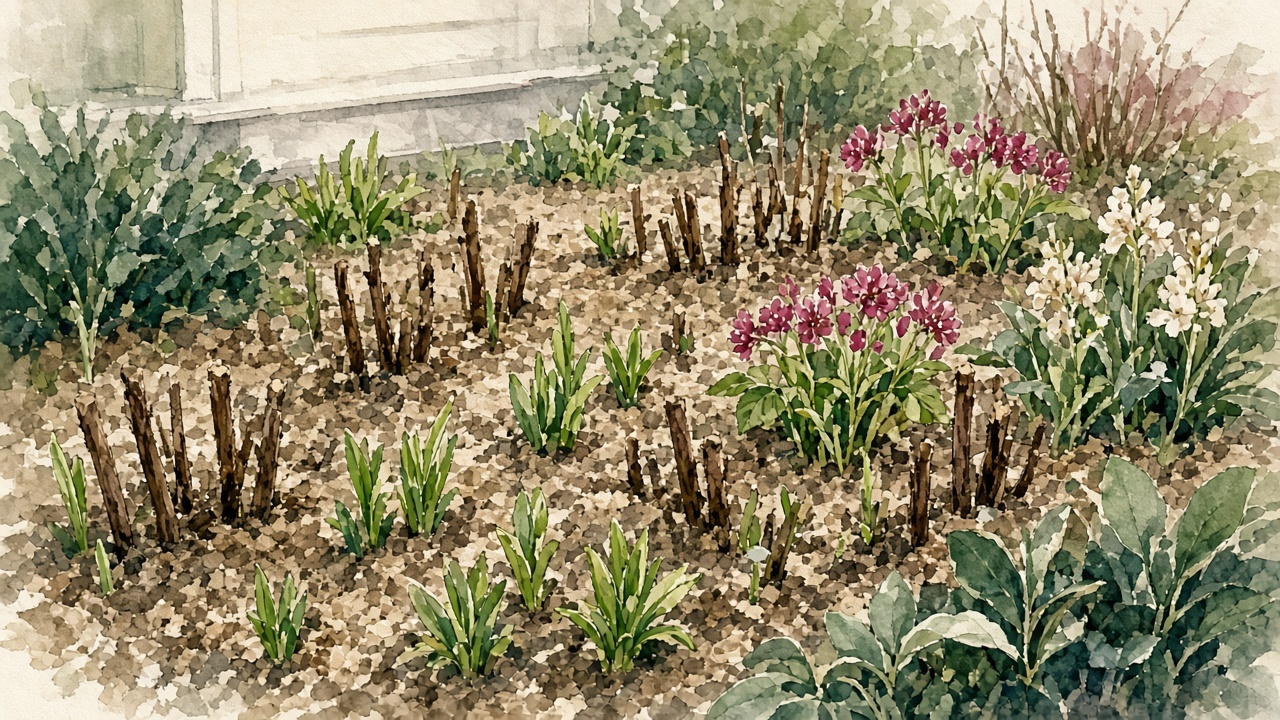
Spring (March to May): Cut last year's stems and grasses down to 4 to 6 inches before new growth starts. Pull weeds while they're small. Top up mulch to 2 or 3 inches, but keep it off the base of the plants. Mid-April through May is a good time to tuck in new plants. If your milkweed looks dead, give it time. It's just slow to wake up.
Summer (June to August): New plants need about an inch of water a week their first season. Once they're settled in, natives rarely need watering. Keep up on weeds, and skip the fertilizer.
Fall (September to November): Leave the seed heads and stems standing. Birds eat the seeds, helpful insects spend the winter in the stems, and the bed still has something to look at. Fall is also a fine time to divide plants or add a few new ones.
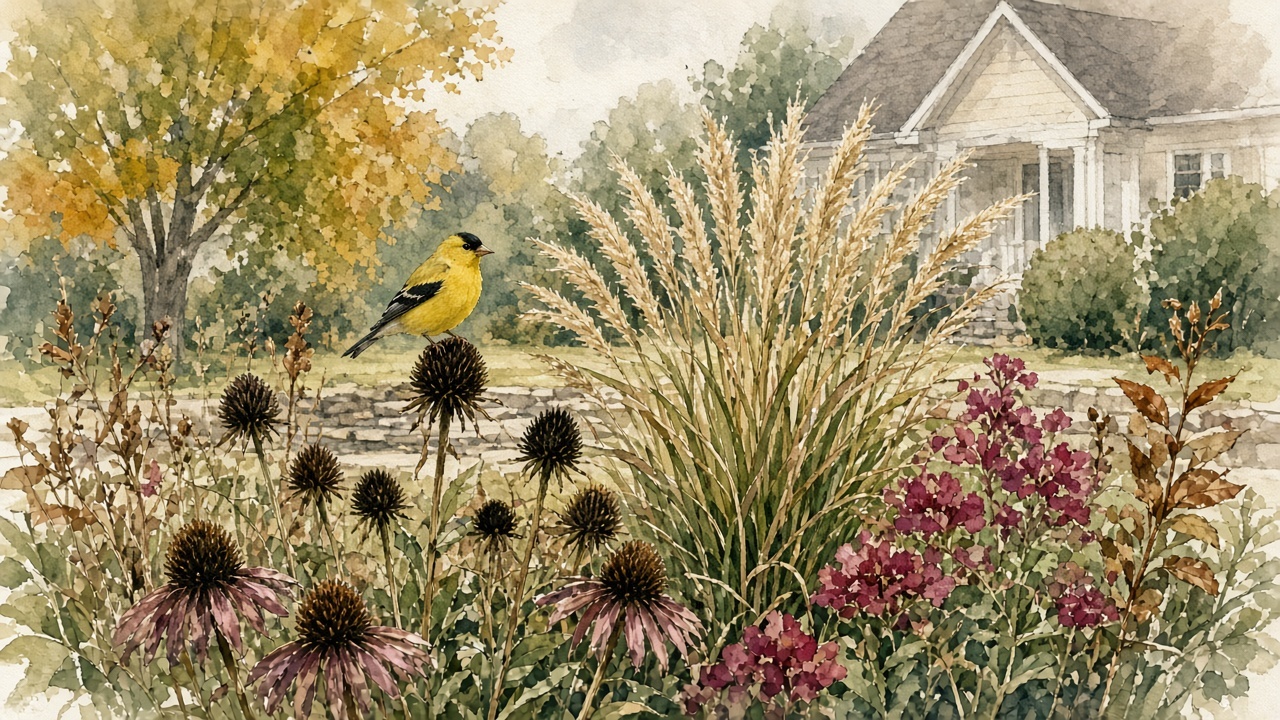
Winter (December to February): Mostly leave it alone. Grasses like little bluestem look great with frost on them. Use this time to plan any swaps for spring.
Common mistakes we see
- Too much water and fertilizer. Natives like lean soil. Pampering them makes them floppy.
- Cutting everything down in fall. Wait until spring.
- Planting too close. Space plants for their full-grown size, and plant in groups of 3 or 5 so the bed looks planned.
- Short plants in the back. Tall in back, short in front.
- Expecting blooms from seed in year one. Potted plants bloom much sooner. Seed can take 2 or 3 years.
- Buying "wildflowers" that aren't really native. Check labels, or buy from a local native plant nursery.
- Giving up after the first year. The old saying goes: natives sleep, creep, then leap.
- Piling mulch against stems or going deeper than 3 inches.
Want a hand?
We do light bed work around Belton: tucking natives into existing beds, swapping out tired plants, weeding, mulching, and spring cutbacks. Text a photo of your bed and your address to 816-816-3091 and we'll text you back a price.